
Frost Seeding & Winter Lawn Seeding Service in
Butler, Preble, Montgomery, & Warren Counties in SW, Ohio
A Lawn Overseeding Service That Uses Ohio Winters as a Tool
If you've been looking for a lawn overseeding service that works with the natural rhythm of SW Ohio winters instead of fighting against them, frost seeding is something worth understanding. Greenbush Professional Services LLC has been offering this service across the Dayton areas for decades, and it remains one of the most underused and most effective tools we have for renovating thin, patchy, or worn-out lawns.
Most homeowners think of winter as a dead period for lawn work. The reality is that the freeze and thaw cycle that Ohio winters produce is one of the best natural seed-planting mechanisms available, and we've been putting it to work for our customers since long before it became a commonly known technique.
What Is Frost Seeding and How Does It Work
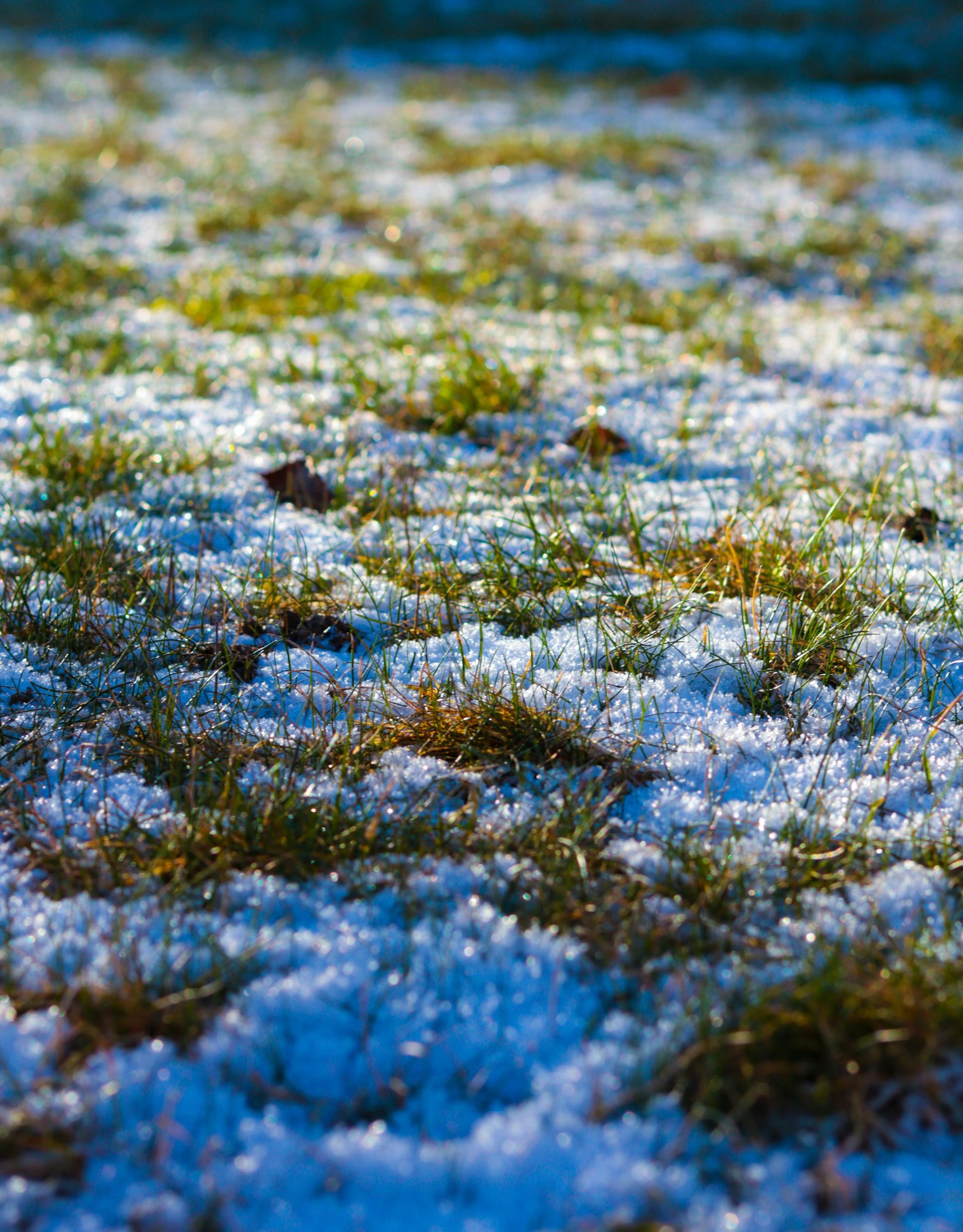
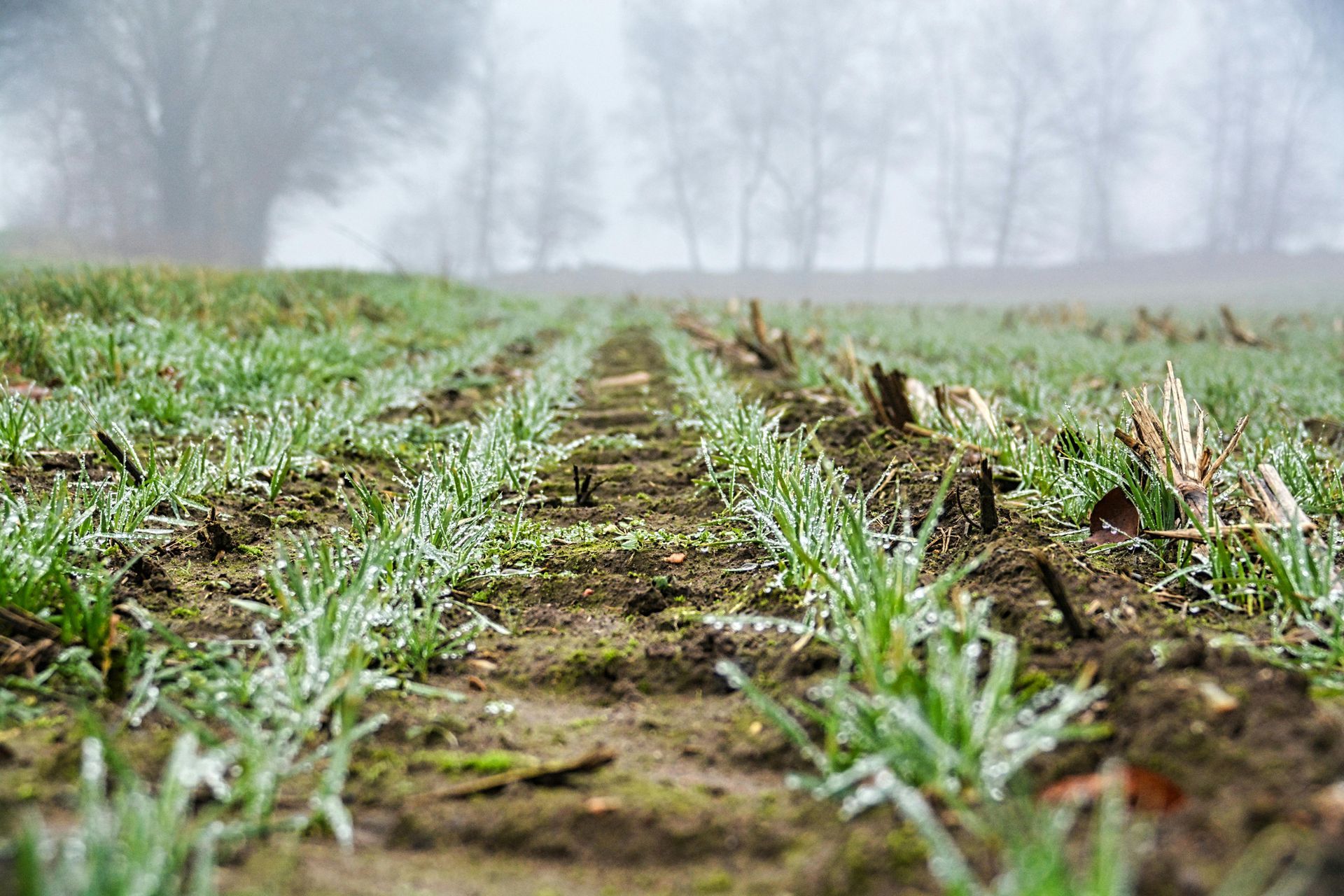
Frost seeding is exactly what it sounds like. Grass seed is scattered across undisturbed soil during the winter months, typically between December and February, and the natural freeze and thaw cycle of the ground does the work of incorporating the seed into the soil surface where it can germinate when temperatures warm in the spring.
Here is what actually happens at the soil level. When the ground freezes overnight and thaws during the day, the surface soil expands and contracts repeatedly. That movement works the seed down into small cracks and gaps in the soil surface, creating the seed-to-soil contact that germination requires. No raking, no tilling, no mechanical incorporation. The Ohio winter does it naturally, and the seed sits in place through the cold months ready to germinate when soil temperatures come back up in the spring.
What's Included: One Application Done Right
Our frost seeding program includes one application completed during the December through February window. The timing within that window matters. We're looking for conditions where the ground has some frost in it but isn't frozen solid, and where the daytime thaw cycle is active enough to work the seed into the surface.
The seed selection matters as much as the timing. Our grass seeding service uses seed varieties suited to SW Ohio's cool-season turf profile, meaning the grass that comes up in the spring is compatible with what's already growing in the lawn. We don't scatter a generic seed mix and hope for the best. The seed going down is chosen for this region, this climate, and the specific conditions of the lawn being treated.
Why SW Ohio Winters Are Actually Perfect for This Method
Not every region has the right conditions for frost seeding to work reliably. You need a winter that produces consistent freeze and thaw cycles, where temperatures drop below freezing at night and climb back above it during the day repeatedly over a period of weeks. SW Ohio delivers that pattern almost every year.
The areas around Dayton, and the communities in between sit in a climate zone where winter temperatures fluctuate in exactly the way frost seeding requires. Hard freezes that lock the ground solid for weeks at a time are less common here than in states further north, which means the freeze-thaw action stays active through most of the winter window. That's the specific condition that makes this method work, and it's one of the reasons we've offered it as a reliable lawn renovation service for this region for as long as we have.
The Right Seed on the Right Ground at the Right Time
The ground condition matters as much as everything else. Frost seeding works best on undisturbed soil, meaning we're not breaking up the surface or doing any mechanical prep before the seed goes down. The lawn should be at its normal mowed height, free of heavy thatch buildup, and accessible across the areas being treated.
This is a dormant seeding service in the truest sense of the term. The seed goes down dormant and stays that way through the rest of winter. There is no germination during the cold months. What frost seeding does is position the seed in the soil so that when the conditions for germination arrive in the spring, the seed is already in place with good soil contact rather than sitting on top of the surface waiting for rain to wash it around.
How Frost Seeding Compares to Traditional Overseeding
Traditional overseeding is done in the fall or spring and typically involves some surface preparation to improve seed-to-soil contact. Core aeration before overseeding is one of the most common approaches. Both methods work well when done correctly. Frost seeding is different in that it relies on the natural soil movement of the freeze-thaw cycle instead of mechanical preparation.
The advantage of our winter overseeding service is that it extends the seeding window into the months when most lawn companies are not doing any active renovation work. If a lawn missed the fall seeding window or had damage that showed up after fall seeding was no longer practical, frost seeding gives you a cold season seeding service option that doesn't require waiting until spring. For lawns that have thinned out significantly and need help sooner rather than later, that extended window is genuinely useful.
What Your Lawn Will Look Like Come Spring
The results of frost seeding show up in the spring as soil temperatures climb back above the germination threshold for cool-season grasses, which in SW Ohio typically happens between late March and mid-April depending on the year. New seedlings will begin filling in the thin areas that were treated, gradually thickening the turf density across the lawn.
The key variable in spring results is moisture. New seedlings need consistent soil moisture during establishment. SW Ohio springs are generally cooperative on that front, with regular rainfall through April and May that supports germination and early growth. Our lawn reseeding service is timed to take advantage of exactly that spring moisture pattern. By late spring most frost-seeded lawns are showing clear improvement in density and coverage across the areas that were treated.
We Started Frost Seeding When Most People Thought Winter Lawn Work Was a Waste
Greenbush Professional Services LLC started offering frost seeding in SW Ohio back when most people thought doing any lawn work in December was a waste of time and money. Ohio proved us right every spring. The results were consistent enough that frost seeding became a standard part of what we offer for lawns that need renovation and can't wait for a fall window.
We're BBB A+ rated and we've been doing this specific work in this specific region long enough to know when the conditions are right and when they're not. We don't put seed down just to put seed down. If the ground conditions aren't suitable for a good result, we'll tell you and we'll schedule around conditions that give the seed the best chance to perform.
Greenbush Professional Services LLC provides frost seeding and winter lawn seeding services across SW Ohio and into Indiana. Our crews work regularly in Dayton, Franklin, Brookville, Germantown, Miamisburg, Middletown, Hamilton, Lebanon, Mason, Springboro, Centerville, Kettering, Waynesville, Beavercreek, Fairborn, Monroe, Trenton, and surrounding communities including Seven Mile, Carlisle, New Paris, and Richmond, Indiana.
Call us at
937-787-4490 or
reach us online to find out if frost seeding is the right fit for your lawn this winter.
Ohio Winters Are Long. Might as Well Put Them to Work on Your Lawn.
If your lawn has thin spots, bare patches, or areas that haven't recovered from a rough summer or a hard winter, frost seeding is a practical, low-disruption way to address those problems during the months when most people aren't thinking about their lawn at all. Greenbush Professional Services LLC has been making Ohio winters work for SW Ohio lawns since long before it was a widely known technique.
Call us at 937-787-4490 to get on the schedule for this winter. We'll look at your lawn, talk through the areas that need attention, and let you know whether frost seeding is the right tool for what you're dealing with. Honest assessment. No pressure. Just straight answers from a crew that knows this ground and knows what Ohio winters can do for a lawn when you use them right.
Questions From SW Ohio Homeowners About Frost Seeding
My lawn in Franklin has several large bare patches from grub damage last summer. Is frost seeding a good option for repairing that kind of damage?
Grub damage that leaves bare soil is actually one of the better situations for frost seeding because the exposed soil gives the seed direct ground contact without needing to work through thatch or dense existing turf. The freeze-thaw cycle will incorporate the seed into those bare patches effectively. That said, we would want to make sure the grub problem itself has been addressed before we seed, otherwise you risk losing the new grass to the same damage the following season. If you're on our Professional Lawn Program, grub control is already part of the package.
How is frost seeding different from just throwing grass seed on my Centerville lawn in January myself?
The difference is in the seed selection, the application rate, and knowing the right conditions to seed into. A generic seed mix from the hardware store may not be suited to the specific turf type in your lawn or to SW Ohio's cool-season grass profile. Applying too much seed creates competition between seedlings that limits establishment. And seeding into ground that is frozen solid rather than in an active freeze-thaw cycle produces poor results. Our lawn seeding service handles all of those variables correctly so the seed that goes down actually comes up in the spring.
Will frost seeding work on my Springboro lawn if I have a lot of shade from mature trees?
Shade is a real variable in lawn seeding. The grass varieties that perform well in heavy shade are different from those used in full-sun areas, and the establishment conditions under a dense tree canopy are different from an open lawn. We use shade-tolerant seed blends for those areas and adjust the application rate accordingly. Frost seeding under mature trees in Springboro and similar properties can work well, but we'll want to look at the specific shade conditions before committing to a particular seed mix.
I've heard that frost seeding can wash away if there's a lot of rain in the spring. Is that a concern?
Seed that has been properly incorporated into the soil surface through the freeze-thaw cycle is much less susceptible to washing than seed that is sitting loose on the surface. The movement of the soil during freeze-thaw cycles works the seed into small cracks and depressions that hold it in place. On sloped areas where runoff is significant, we adjust the application rate and may recommend a different approach for those specific zones. It's something we look at when we walk the property before the application goes down.
Can you do frost seeding and then aeration in the spring on the same lawn?
Yes, and that is actually a good combination for lawns that need significant renovation. The frost seeding fills in thin areas during the winter and the spring aeration opens the soil to support the established seedlings and existing turf going into the growing season. We would time the spring aeration carefully to avoid disrupting new seedlings that are still in early establishment. That timing is something we manage as part of our overall program approach for customers who are on multiple services with us.
