
Deep Root Fertilization Service for Trees & Shrubs in Butler, Preble, Montgomery, & Warren Counties in SW, Ohio
Tree and Shrub Care Service That Starts Below the Surface
If your trees and shrubs aren't performing the way they should, the answer is almost never what's happening above ground. Our tree and shrub care service at Greenbush Professional Services LLC is built around what's happening at the root level, because that's where the real work of keeping a landscape healthy actually takes place. We've been treating ornamental trees and shrubs across SW Ohio since 1984, and the most consistent thing we've seen in that time is this: surface-level care produces surface-level results.
If you want trees and shrubs that hold up through Ohio winters and come back strong every spring, you have to feed them from the ground up.
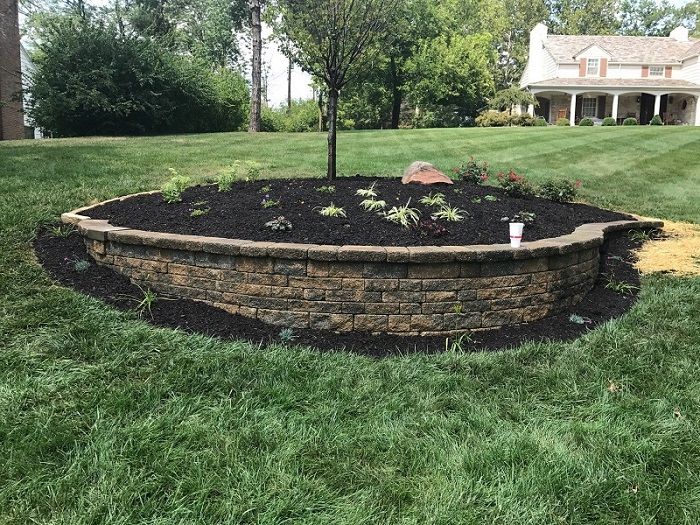
Two Organic Applications a Year: Spring and Fall Feeding
Our deep root fertilization service includes two organic-based applications per year, one in the spring and one in the fall. Each application delivers nutrients directly to the root zone where the tree or shrub can actually use them, bypassing the compacted surface soil that blocks most of what you'd apply from the top.
Spring feeding sets your landscape trees and shrubs up for the stress of the growing season. Fall feeding builds the root reserves they need to survive an Ohio winter and push out strong in the spring. Two applications timed right does more for an ornamental tree than five surface treatments applied without a plan. That's what we've learned after four decades of doing this work in this region.
Why Ornamental Trees Struggle in SW Ohio Soil
The soil conditions across SW Ohio are not naturally kind to ornamental trees and shrubs. Heavy clay content limits drainage and oxygen movement through the soil profile. Compaction from foot traffic, mowing, and construction activity cuts off the root zone from the air and water it needs. Nutrient depletion happens faster than most homeowners realize, especially in landscapes that have been maintained the same way for years without any soil improvement.
Our tree fertilization service addresses these conditions directly. We're not just putting nutrients into the ground. We're working with what the soil around here actually looks like and adjusting the approach based on what each property needs. Homeowners in Oakwood, Kettering, and Centerville are dealing with different soil histories than those out in Eaton or West Alexandria, and that matters when you're planning a fertilization program.
Spring Feeding: Preparing Your Trees for Summer Stress
The spring application in our organic tree fertilization program is timed to when root activity picks back up after winter dormancy. Trees and shrubs coming out of an Ohio winter have depleted their stored energy reserves and need a nutrient boost to fuel new growth before the heat of summer arrives.
Here's what we've seen over the years: ornamental trees that go into summer without a proper spring feeding are the ones that show stress first when July turns hot and dry. Leaf scorch, early drop, and thin canopy growth are often the result of nutrient deficiency that started in the root zone months earlier. Getting the spring application down at the right time is one of the simplest things you can do to protect what's growing in your landscape.
Fall Feeding: Building Root Reserves Before Ohio Winter Hits
The fall application of our tree and shrub fertilization program is in many ways more important than the spring one. While the tree or shrub is moving toward dormancy above ground, the root system is still actively growing and storing energy for the following season. Feeding the roots during that fall window gives them the reserves they need to push out strong new growth when temperatures warm back up.
This is something most homeowners don't think about because the tree looks like it's done for the year once the leaves drop. But the root system is working right up until the ground freezes. Our landscape tree fertilization timing is built around that biological reality, not just a calendar date. That's what makes the difference between a tree that struggles through an Ohio winter and one that comes back with strong new growth in April.
What Trees and Shrubs Qualify for This Program
Our professional tree fertilization program covers ornamental trees and shrubs that are ten feet tall and under, with a maximum of sixty plants per property. That scope covers the vast majority of landscape plantings we see across SW Ohio residential and commercial properties.
Ornamental trees like dogwoods, redbuds, Japanese maples, and flowering cherries are exactly what this program is designed for. Landscape shrubs including arborvitae, holly, viburnum, and boxwood respond well to deep root feeding, especially in the heavy clay soils common across this region. If you're not sure whether your specific plantings qualify, we'll walk the property with you and give you a straight answer before any work begins.
Why Deep Root Fertilization Beats Surface Feeding Every Time
Surface-applied fertilizer has to work its way through whatever is sitting on top of the root zone before it reaches the roots. In a compacted lawn with a layer of thatch and heavy clay beneath, a significant portion of what you apply never gets where it needs to go. Our shrub care service and tree feeding service use deep root injection to deliver nutrients directly into the root zone, bypassing the surface barrier entirely.
The difference in results is noticeable. Trees and shrubs on a deep root program hold their color longer through summer, show less stress during dry periods, and produce stronger new growth in the spring. It's a more efficient use of the product and it produces better outcomes than anything you can achieve by broadcasting fertilizer across the surface.
Four Decades of Watching Ornamental Trees Decline From the Roots Up
We've watched more ornamental trees than we can count decline slowly over several seasons because nobody was paying attention to what was happening underground. The signs show up late. By the time a tree is visibly struggling, the root system has often been compromised for a year or two already. That's what pushed us toward deep root feeding as a standard part of our ornamental tree care service decades ago.
Four decades of working SW Ohio landscapes have taught us that the trees people love most, the ones that anchor their yards and give their properties character, are worth investing in properly. A deep root program is that investment. It's not complicated work but it requires the right timing, the right product, and the knowledge of what the soil in this region actually needs.
Greenbush Professional Services LLC provides tree and shrub fertilization services across a wide area of SW Ohio and into Indiana. Our crews work regularly in Dayton, Oxford, Lebanon, Mason, Kettering, Oakwood, Centerville, Miamisburg, Springboro, Beavercreek, Waynesville, Hamilton, Middletown, Fairborn, and surrounding communities including Eaton, West Alexandria, Germantown, and Richmond, Indiana.
Call us at
937-787-4490 or
reach out online to schedule a property walkthrough. We'll look at what you've got growing and put together a program that fits your landscape.
Your Trees Are Doing a Lot of Work Holding That Yard Together. Give Them What They Need.
The ornamental trees and shrubs in your landscape do more than look good. They provide shade, define your property lines, buffer wind, and give your yard the structure that makes everything else work. They deserve more than surface-level care.
Greenbush Professional Services LLC has been feeding SW Ohio landscapes from the roots up since 1984 and we're BBB A+ rated because we do the work right. Call us at 937-787-4490 to get started. We'll walk your property, talk through what your trees and shrubs are dealing with, and build a feeding program that gives them what they actually need. No pressure. Just honest work from people who know this ground.
Questions From SW Ohio Homeowners About Deep Root Fertilizing
I have several dogwoods and redbuds in my Centerville yard that look thin and stressed every summer. Would deep root fertilization help?
Dogwoods and redbuds are two of the ornamental trees we see struggling most consistently across Centerville and the surrounding areas. Both are sensitive to soil compaction and nutrient depletion, which are exactly the conditions our deep root fertilization service addresses. Thin canopy, early leaf drop, and poor color through summer are classic signs that the root zone isn't getting what it needs. A full season on the program typically produces visible improvement in canopy density and color retention.
How deep does the fertilizer actually go with deep root injection?
The injection probes we use deliver the product at a depth of eight to twelve inches, which is where the active feeder roots of most ornamental trees and shrubs are concentrated. That's well below the compacted surface layer and the thatch zone that block surface-applied products from reaching the root zone. The difference in uptake efficiency between surface application and deep root injection is significant, especially in the heavy clay soils we work with across SW Ohio.
I have about thirty shrubs along my property line in Mason. Do all of them qualify for the program?
Thirty shrubs is well within the scope of our program, which covers up to sixty plants per property at ten feet tall and under. We'd walk the property with you first to confirm the shrub species and condition, and then put together the spring and fall application schedule from there. Most foundation and property-line shrubs in Mason and the surrounding areas are exactly what this ornamental tree care service is designed for.
Is the organic fertilizer you use safe around my vegetable garden and flower beds in my Springboro yard?
The organic-based products we use in our tree feeding service are safe for use in landscapes that include edible gardens and flower beds. We'll always be specific about what we're applying and where the injection points are going, so you know exactly what's happening on your property. If there are areas around the garden beds you want us to work around, we'll plan the injection points accordingly.
My neighbor in Lebanon told me their trees started looking better after just one season. Is that realistic?
It depends on the starting condition of the trees and the soil, but yes, one full season of spring and fall applications produces visible results in most cases. Trees coming from a place of significant nutrient deficiency tend to show the clearest response because the root system was being limited by a problem that the deep root program directly addresses. Trees that are already in reasonable health tend to show improvement in stress tolerance and color quality rather than dramatic visible change. Either way the root system is building reserves that pay off over multiple seasons.
