How to control moles in your landscape

In the big picture, trees serve an important role for life on our planet. At minimum, they clean our air by removing pollutants and absorbing carbon dioxide, filter our water, assist in erosion prevention by absorbing thousands of gallons of rainwater, provide canopies that shade and cool our landscapes, provide privacy and noise reduction, exist as a food source and shelter for birds and mammals, and enrich soil with a new layer of leaves every year. From a more personal perspective, trees support both our physical and mental health. Their artistic beauty, color, majesty, and shade influence our emotions and outlook on a daily basis. Our children’s creativity is fostered as they play in treehouses, our families sit in the shade of a majestic tree on a hot summer day sharing the joys as well as trials of life, our ears listen to birds singing their songs while perched in the branches of trees, our eyes are awestruck by the vibrant colors of leaves in the autumn when trees are about to lose their leaves, we shelter in houses built from the wood of trees that once stately stood in the forest, we collect handmade wood pieces and antiques that “Uncle Jesse” made in his workshop years ago, we joyfully decorate Christmas trees every December, and we warm our bodies and minds in the ambience of crackling, blazing flames in fireplaces and campfires. Get the picture? TREES ARE VALUABLE! Additionally, multiple studies have shown that trees in our landscape increase the value of property by at least 10%, depending on the age and type of trees (for a $200,000 house, that’s $20,000). They also increase the value of properties in the neighborhood by 3-5% (this should make the neighbors happy). Greenbush is dedicated to “Preserving Trees in Their Natural Beauty” . We correctly install and mulch around, aesthetically trim, properly prune, deep root feed, safely remove (if needed), and inject/spray to control insects and disease in your trees. Let us serve you by contacting us for a free tree inspection and quote: greenbushpros@gmail.com or 937-787-4490
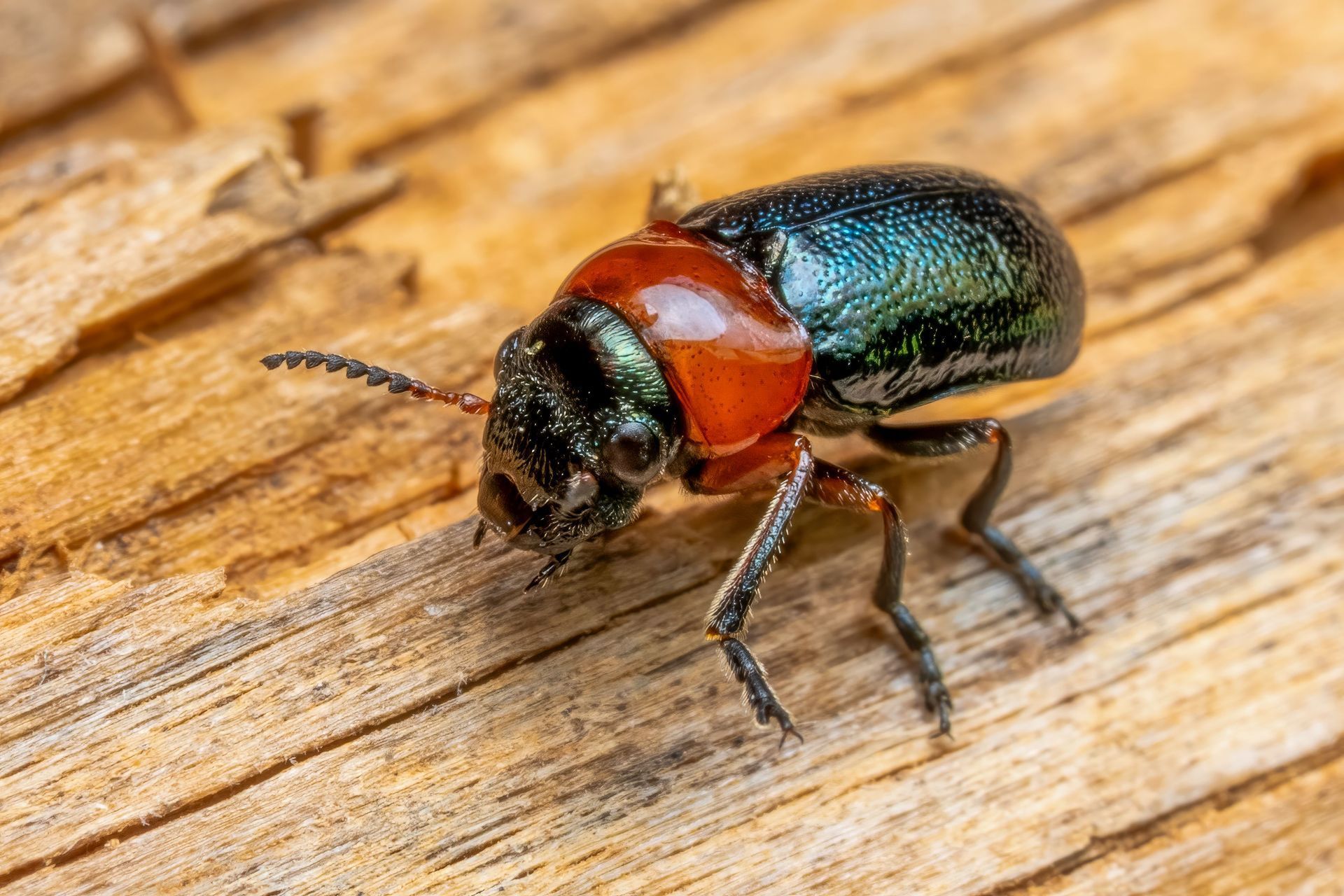
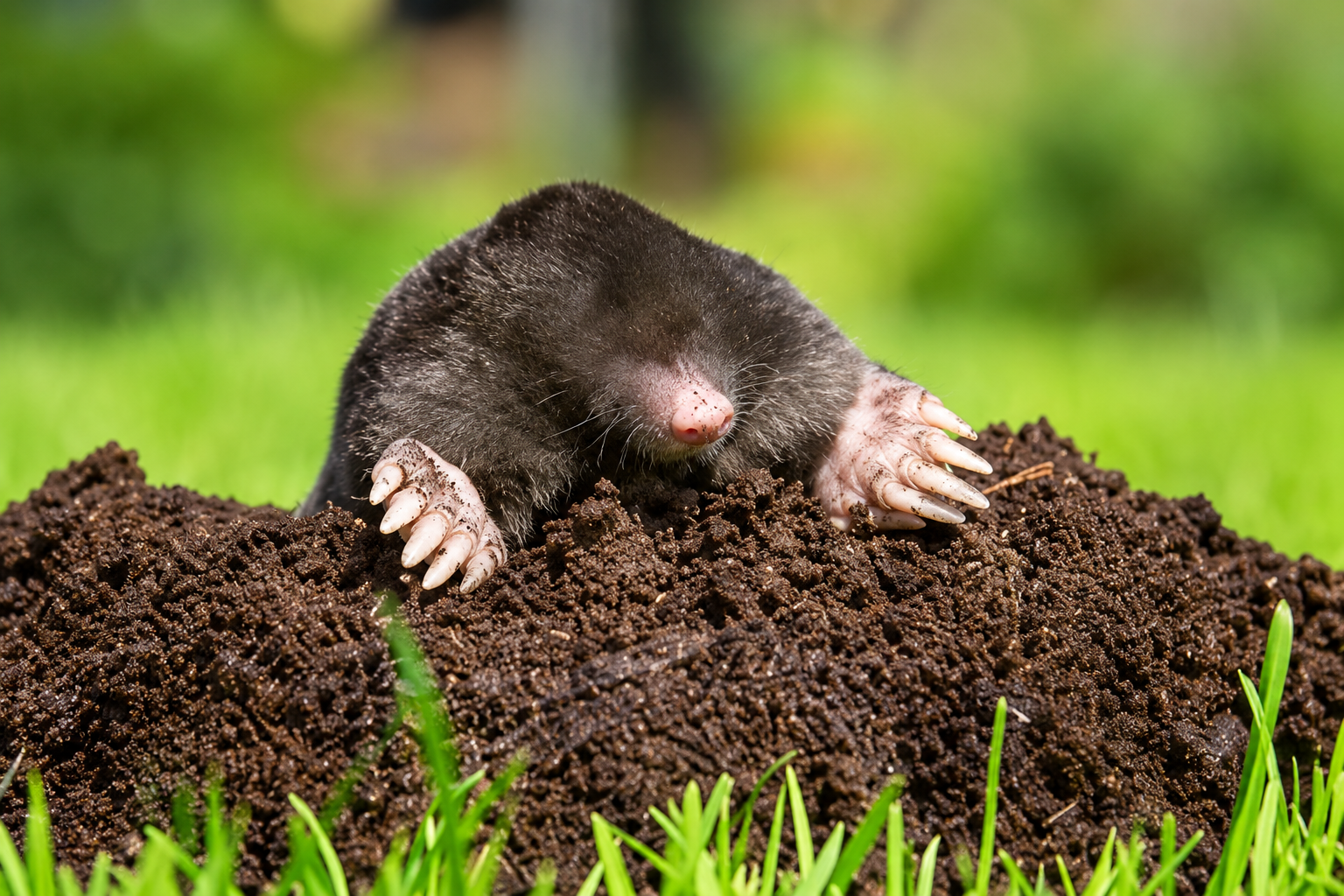
Some bugs and insects are not noisy or readily visible in your landscape, but can seriously damage plants, lawns, and trees. Grubs, which are a larval stage of different beetles (e.g. June beetles and Japanese beetles) are shaped like the letter “C”, typically appear white/ milky in color, and vary in length from ¼” to 1”. They live in the top few inches of your yard’s soil and feast on the roots of grass and other plants. They can leave your lawn with spongy turf, thin grass, and brownish areas. Since birds and moles feed on grubs, additional damage is usually done to your lawn when they are present. Cinch bugs, which are 1/6” to ¼” long sap-sucking insects, feed by piercing blades of grass and extracting out plant juices. Lawns infested with these bugs show yellow and brown patches. Spider mites, which are a specific type of mite (arachnid) are less than 1/20” long, and suck the sap from leaves of plants and trees. Not only are they hard to see because of their minute size, but typically are found on the undersides of leaves. They can rapidly reproduce and drain the life out of the foliage in your landscape. Scale insects, which are 1/8” to ½” long, are also sap-suckers which feed on shrubs, trees, and plants in your landscape. Growth is stunted, branches dieback, leaves turn yellow, and in some cases plant death occurs. Other bugs and insects (such as aphids, webworms, Japanese beetles, taxus weevils, ants, mealybugs) can damage the beauty and health of your landscape. The ideal is to be proactive in controlling them before major damage has been inflicted. Greenbush provides professional care for your lawn, trees, and plants to control damage from bugs and insects. Contact Greenbush today for a free inspection and quote by emailing greenbushpros@gmail.com or calling 937-787-4490 .